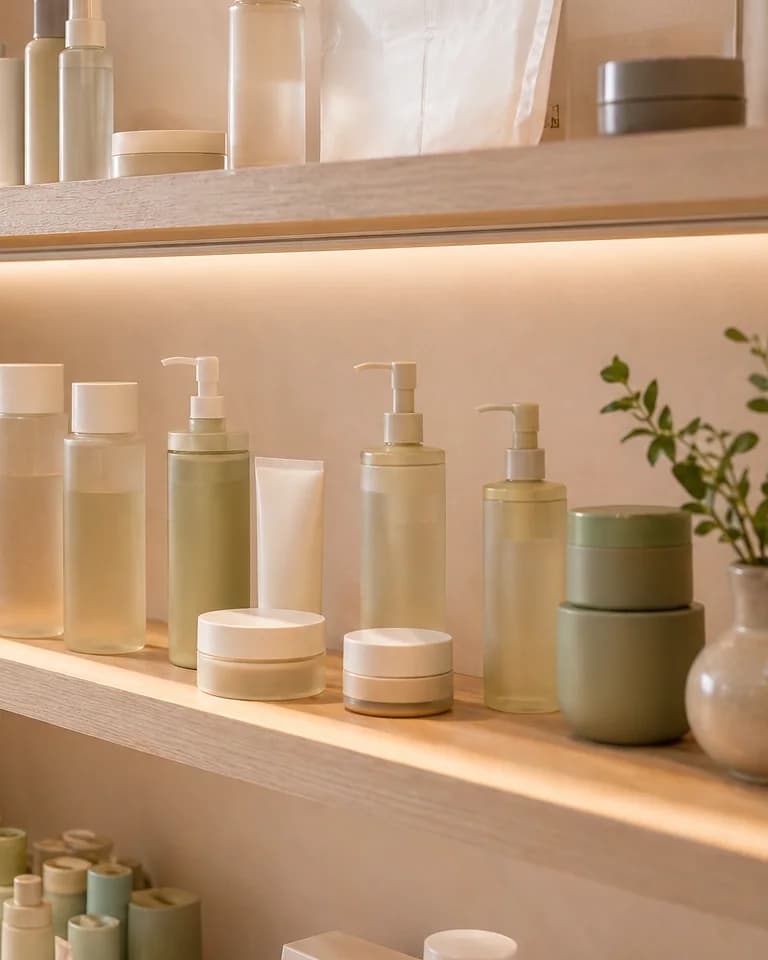
Texture is the habit signal
K-beauty texture innovation matters because it changes behavior. A watery layer that sinks in quickly, a cream that cushions without heaviness, or a sunscreen that settles cleanly can make a step easier to repeat. That is more useful than a dramatic claim that looks impressive but makes the routine sticky, late, or annoying. When a formula lowers friction, it has a better chance of becoming a real habit instead of a one-week curiosity.
Watery layers should make the next step easier
Toners, essences, and ampoules often compete for the same middle-of-routine space. The useful texture question is whether the layer makes moisturizer, serum, or sunscreen easier to apply. If it only adds dampness without improving comfort, slip, or timing, it may be redundant. A good watery texture should make the routine feel clearer, not create another pause where the reader wonders what the product is doing.
Creams are evolving around comfort, not just richness
A modern K-beauty cream does not have to feel heavy to support the routine. Gel-creams, barrier creams, and cushion textures can all solve different moments: humidity, winter dryness, active-night recovery, or a morning when sunscreen needs to sit neatly on top. The signal is not whether the product sounds rich. It is whether the finish matches the skin state and keeps the next routine step predictable.
Sunscreen texture is a compliance filter
Sunscreen is where texture becomes especially practical. A formula can have strong positioning, but if it pills, stings, turns chalky, or feels impossible to reapply, the routine will bargain with it every morning. K-beauty sunscreen interest stays durable because finish and spreadability can make adequate use feel less like a chore. Dewy, natural, and velvet finishes are trend language only when they connect to real use.
Hybrid formats need a real moment
Hybrid products are worth watching when they remove a decision. A mist that helps a dry office day, a sleeping mask that replaces three night extras, or a serum-cream that simplifies travel can be useful. A hybrid format is weaker when it only combines labels and leaves the reader with more instructions. The test is simple: name the moment it improves before treating the format as a category shift.
Use texture before trend language
Before buying into a product direction, read the texture promise like a routine contract. Where does it sit, what step does it make easier, which finish does it leave, and what existing product could it replace? If those answers are clear, the product may deserve attention. If the only answer is that the format looks new, wait for more ordinary-use evidence and spend the next test on a routine gap you can actually name.