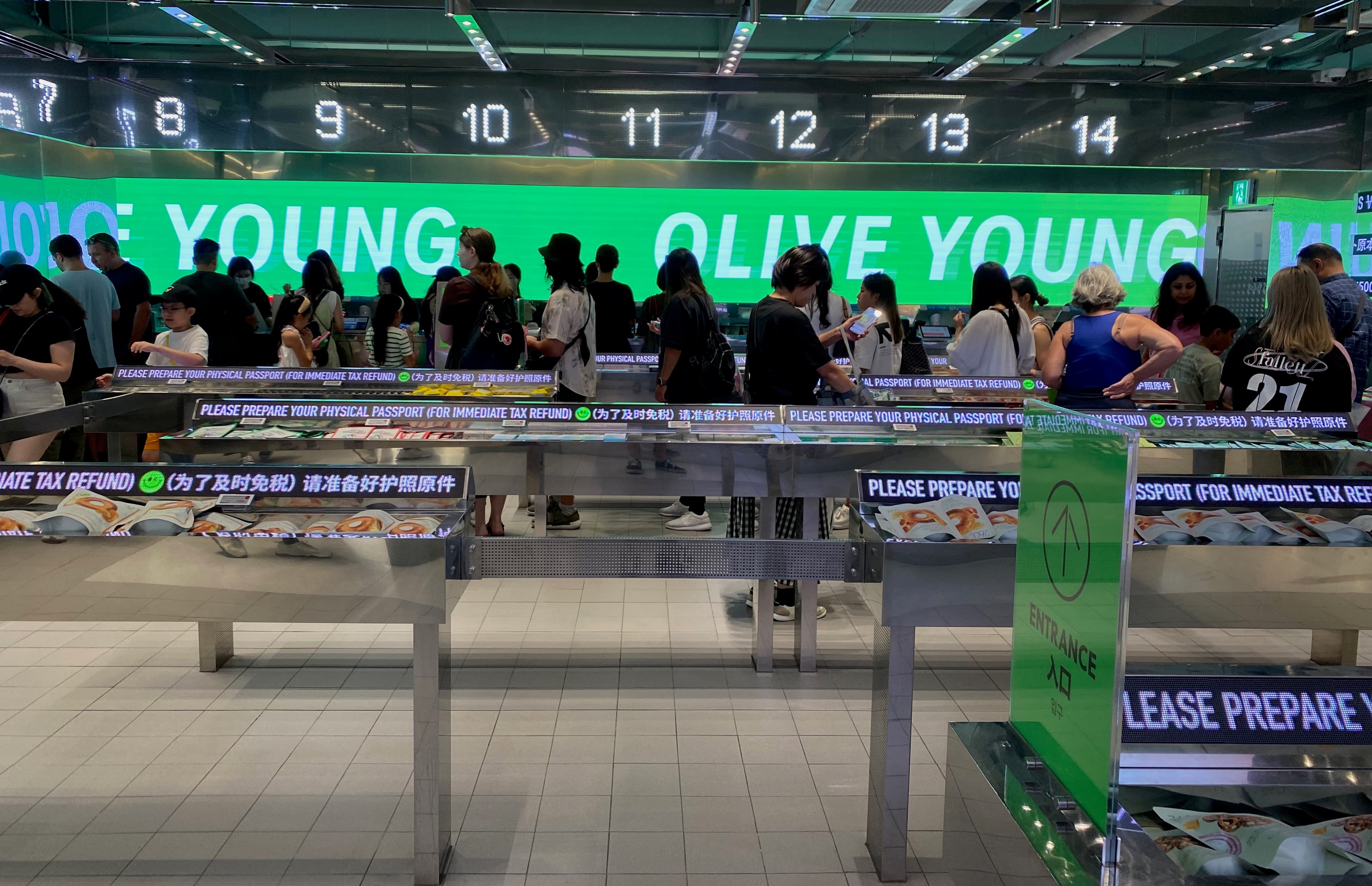
Seller path is really a retailer trust question
Start with the seller before you start with the price. A useful retailer makes the business identity, shipping route, return policy, customer support, and product source easy to understand before ordering. If those basics are hidden, the discount is not enough evidence. Good marketplace context starts with whether the store can explain where the product comes from and what happens if the order goes wrong.
When buying demand becomes a Korean skincare inquiry
If the real question is no longer where to buy Korean skincare online but how to source, private label, sample, package, formulate, or manufacture a first buyer-brand SKU, move out of shopping mode. A useful Korean skincare OEM/ODM inquiry names the product category, buyer country/region, target market/channel, MOQ or budget signal, sample state, package state, formula question, and one note naming help needed plus the stuck supplier or manufacturer decision. Compact six-field minimum to send: name, email, company or business context, country or target market/channel, first SKU/category, and one Known / Unknown / Stuck decision note. Unknown MOQ, sample, package, formula, supplier, budget, or manufacturer details can be named as unknown when they explain the blocker. International buyer wording such as private label skincare Korea, fabricante, maquila, fornecedor, fournisseur, muestras, envase, or minimo de pedido should not restart retailer research when the buyer now needs own-brand sourcing, supplier classification, sample proof, MOQ, packaging, or formulation. If those six fields are visible, send the own-brand/OEM inquiry now; if not, choose the private-label, OEM/ODM, manufacturer, supplier, sample, formulation, MOQ, or packaging route that names the blocker. Where-to-buy search converts when failed shopping becomes an inquiry with search context and named unknowns: manufacturer unknown, supplier type unknown, sample proof unknown, package fit unknown, formulation route unknown, MOQ unknown, or first-order quantity unknown. The contact form can turn this where-to-buy article source into an inquiry note with search context, so own-brand demand does not restart as generic contact. That is a reviewable inquiry record for quote, sample, timeline, or intro screening, not another marketplace guess or broad supplier list.
Route failed shopping into private-label, supplier, sample, MOQ, formulation, or packaging review
When where-to-buy research failed because the buyer actually wants their own SKU, use private-label review first. When the buyer asks for contacts, use supplier-type review before a blind supplier list. When the blocker is proof, use sample request review. When the blocker is quantity, use MOQ review. When the blocker is stock formula, custom formula, or benchmark adaptation, use formulation review. When the blocker is bottle, jar, tube, airless, label, carton, or formula-package fit, use packaging review. If the six fields are already visible, send the direct own-brand/OEM inquiry instead of opening another route.
Commercial shortcut: send the own-brand/OEM inquiry now before another retailer list
When where-to-buy search has become private-label, OEM/ODM, manufacturer, supplier, sample, formulation, packaging, or MOQ demand, stop comparing stores. Send the own-brand/OEM inquiry now if company context, buyer country/region, target market/channel, first SKU/category, and one Known / Unknown / Stuck note naming the own-brand or sourcing decision are visible. This is the GSC where-to-buy surface inquiry path: turn failed retailer search into private-label, supplier, manufacturer, sample, packaging, MOQ, formulation, or OEM/ODM inquiry context before another cart. Search visitor fast path: if shopping failed because the buyer needs an own SKU, use private-label/OEM inquiry first and send the own-brand/OEM inquiry with the blocker named instead of opening another retailer list; open supplier, manufacturer, sample, formulation, packaging, or MOQ routes only when the missing blocker still needs a name. Use the exact route only when the blocker still needs classification before inquiry review.
Lead rule: failed store research is sourcing evidence
Do not hide that retailer search failed. For a buyer-brand, failed store research can explain the source-control problem: product not found in the target channel, unclear supplier type, no usable sample proof, package fit uncertainty, MOQ unknown, formulation route unclear, or manufacturer path not separated from distributor names. Send that as inquiry context before another retailer list, because the failure is the lead quality signal.
Treat marketplaces as many sellers, not one store
A marketplace logo can make a listing feel safer than it is. Check the actual seller name, fulfillment route, recent seller history, review pattern, and return process for that specific listing. The platform may be familiar, but the product still comes from a particular seller. Be stricter when the same product appears through many sellers at very different prices, because the marketplace brand does not make every supply path equally reliable.
Read the listing like a receipt
A serious listing should make size, variant, ingredient list, expiration or shelf-life language, shipping origin, and included items clear enough that you know what will arrive. Blurry product photos, vague bundle language, missing label information, and strange price gaps are reasons to slow down. For skincare, the boring details matter more than a styled product image: volume, count, set contents, language on the package, and whether the listing matches the product page from the brand.
Use reviews as signals, not proof
Reviews can help, but they are not a guarantee. Look for specific use cases, skin context, delivery comments, and a mix of positive and negative details. Be more skeptical when every review sounds equally polished, says almost nothing about the product, or appears to repeat the same claims. A helpful review tells you about packaging condition, shipping speed, texture, irritation context, and whether the buyer received the expected item, not only that the product was popular.
Check the return path before ordering
The safest retailer is not always the cheapest one. Before paying, find the return or refund path and decide whether you would actually use it if the product arrived damaged, expired, opened, or different from the listing. Clear customer support, a visible order record, and payment protection are part of the purchase decision. If the only answer is to hope the order arrives correctly, the cart is carrying more risk than the price shows.
Keep evidence before ordering
Screenshot the listing, seller name, shipping promise, return policy, and final cart when the purchase matters. If the product arrives damaged, expired, mismatched, or suspicious, those records make it easier to talk to the seller, card provider, or platform without rebuilding the timeline from memory. Keep the order confirmation, tracking page, and product photos until you know the item is correct. Evidence is not paranoia; it is how a normal shopper keeps a retailer accountable.